Making Finance Make Sense
One money term at a time, explained the way we wish someone had explained it to us.

Market Order vs Limit Order: Why Did Your Stock Buy at the Wrong Price?
Bought a stock at a price different from what you expected? Learn how market and limit orders work, why execution prices can change, and how to choose the right order type when buying or selling stocks.

RII vs S-HNI vs B-HNI: IPO Categories Explained With Examples
RII, S-HNI and B-HNI are three common IPO application categories. Learn their investment limits, allocation pools, advantages and disadvantages with simple examples.
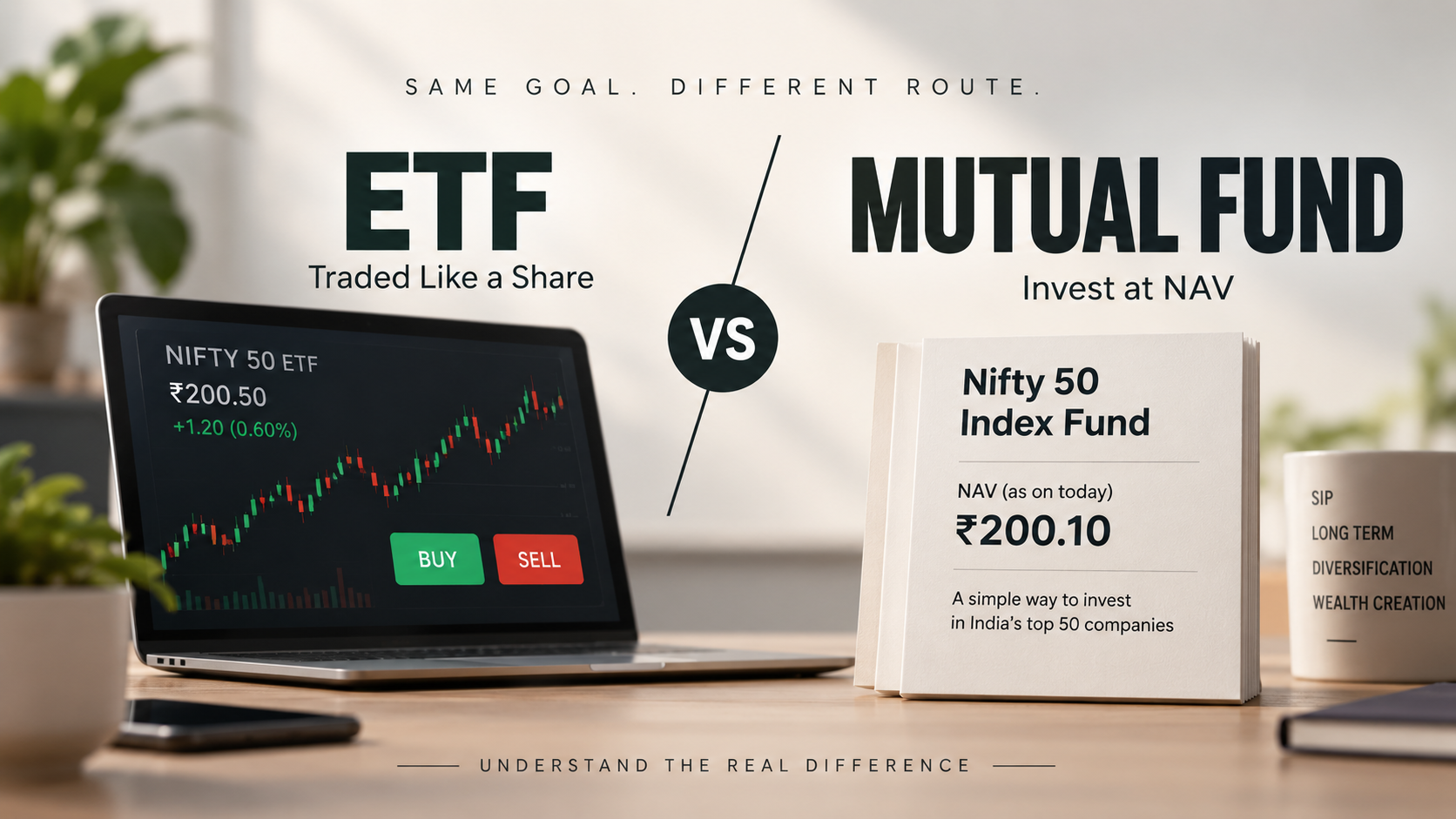
ETF vs Mutual Fund: What’s the Difference and Which One Is Better?
ETFs and mutual funds both help you invest in a basket of securities. But how you buy them, when their price changes, and the costs involved are different.
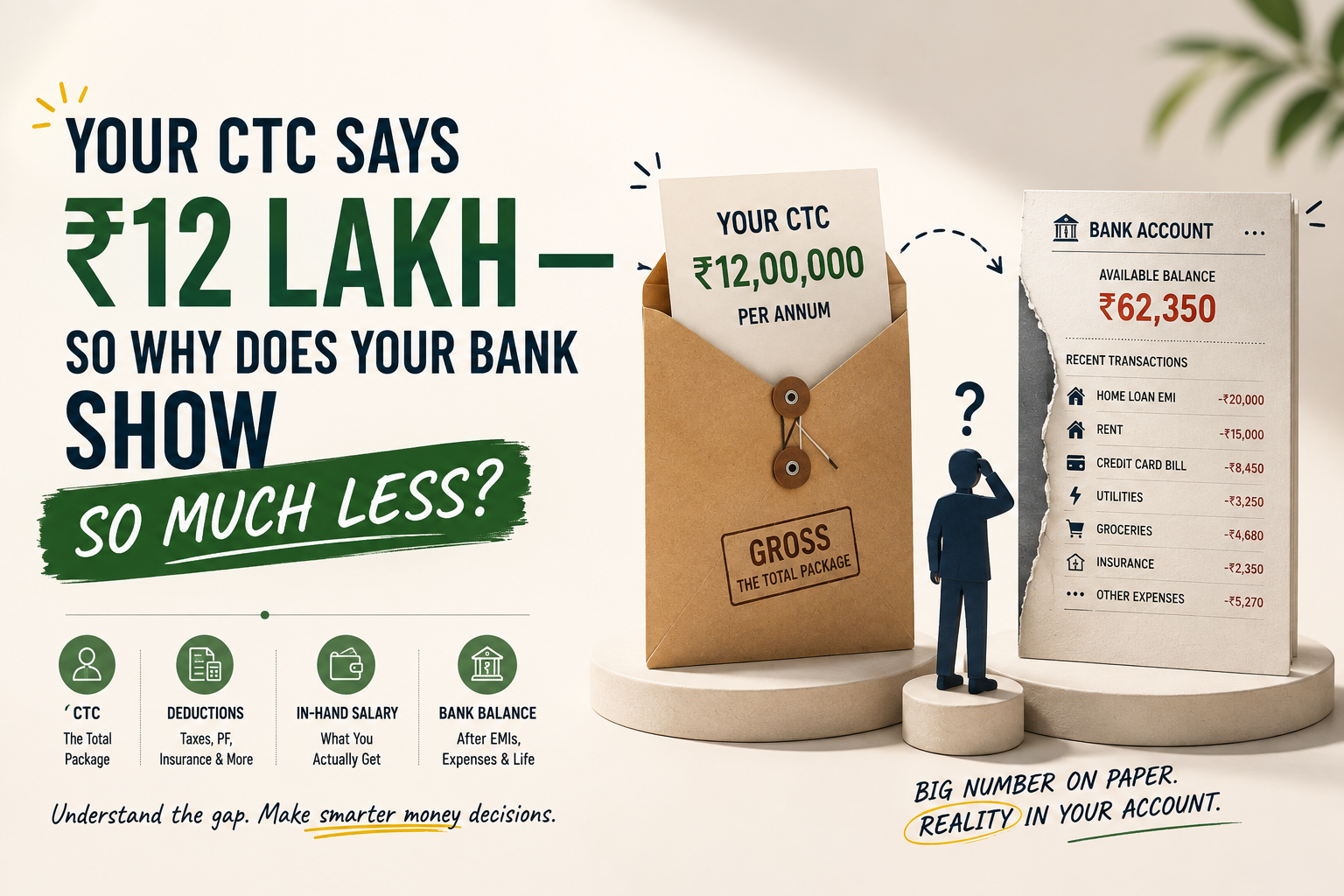
Your CTC Says Rs.12 Lakh - So Why Does Your Bank Show So Much Less?
The number on your offer letter and the number in your bank account are never the same. Here's what actually sits between them.

Your Credit Score Is Quietly Deciding Your Financial Life
Most people only check their credit score when a loan gets rejected. Here's what it actually measures and why it deserves attention long before that.

GMP, Lot Size & Subscription Status - IPO Terms You Keep Hearing
Grey market premium, lot size, oversubscription - the three numbers behind every IPO headline, explained simply.

How Does an IPO Actually Work? From Private Company to Stock Ticker
You've seen IPO listing-day headlines and "grey market premium" chatter. Here's what actually happens behind the scenes before a company hits the stock exchange.
Capital Gains on Stocks - What You Actually Owe the Taxman
Sold a stock and made a profit? Before you celebrate, here's what STCG and LTCG mean, and how much of that profit actually stays with you.
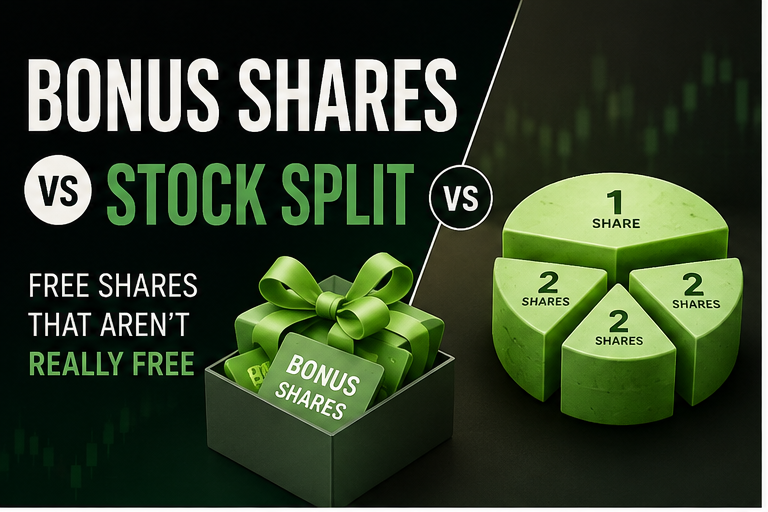
Bonus Shares vs Stock Split - Free Shares That Aren't Really Free
Your holding suddenly doubles overnight and your account shows more shares than you remember buying. Here's what's actually happening, and why your wealth hasn't changed.
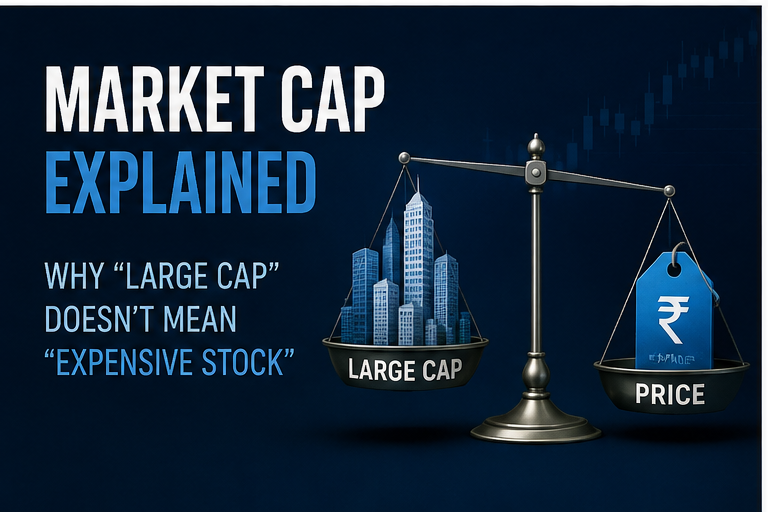
Market Cap Explained - Why "Large Cap" Doesn't Mean "Expensive Stock"
Large cap, mid cap, small cap - these labels get thrown around constantly, but they're about company size, not share price. Here's the distinction that trips up most beginners.